
Penile Duplex Ultrasound
Understanding Your Test
If you’re experiencing erectile dysfunction or being evaluated for testosterone therapy, I may
recommend a penile duplex ultrasound. This test helps us understand exactly what’s causing
your symptoms so we can create the right treatment plan for you.
What Is a Penile Duplex Ultrasound?
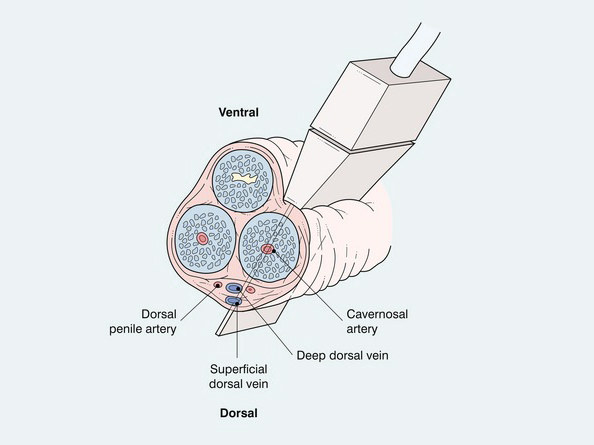
A penile duplex ultrasound is a specialized test that uses sound waves to measure blood flow in
your penis. It shows us how well blood flows into the penis during an erection and whether
blood is leaking out too quickly.
Think of it as a detailed roadmap of your penile blood vessels. Just like a cardiologist might do
an ultrasound of your heart, we use this test to see how your penile circulation is working.
Why Do I Need This Test?
This test helps us diagnose the specific cause of erectile dysfunction. ED can happen for many
reasons, and treatment works best when we know exactly what we’re dealing with.
The ultrasound can identify:
- Arterial problems – Poor blood flow into the penis (the most common cause of ED)
- Venous leak – Blood flowing out of the penis too quickly, making it hard to maintain an erection
- Peyronie’s disease – Scar tissue or plaques in the penis that can cause curvature or ED
- Structural abnormalities – Other issues with penile anatomy
For men considering testosterone therapy, the ultrasound helps us understand whether low testosterone is contributing to vascular problems. It also gives us a baseline to measure improvement after treatment.
What Happens During the Test?
The test is done in the office and takes about 30-45 minutes. Here’s what to expect:
Before the test:
- You’ll be asked to empty your bladder
- We’ll review the procedure and answer any questions
- The room is private and comfortable
During the test:
- Baseline measurement – We’ll use the ultrasound probe to look at your penis in its relaxed state. This doesn’t hurt—it’s just like an ultrasound on any other part of your body.
- Injection – To create an erection, we’ll inject a small amount of medication directly into the side of your penis. This is the same medication some men use at home for ED treatment. The needle is very small, and most men say it’s less uncomfortable than they expected—usually just a brief pinch.
- Monitoring blood flow – Over the next 20-30 minutes, we’ll take measurements at different time points as the medication works. The ultrasound probe is placed on the penis to measure blood flow velocity and other parameters. You’ll be left alone during this time for privacy.
- Final assessment – We’ll check the rigidity of your erection and take final measurements.
- The erection typically lasts 30-60 minutes and goes away on its own
- You can resume normal activities immediately
- We’ll give you specific instructions about what to do if the erection lasts longer than expected
Is the Test Painful?
Most men worry about the injection, but it’s usually much less uncomfortable than expected. The needle is very small, and the medication we inject also has some numbing effect. Many patients say it feels like a brief pinch or pressure.
The ultrasound itself doesn’t hurt at all—it’s just a probe placed on the skin.
What Are the Risks?
The test is very safe. Potential side effects are rare but can include:
- Mild discomfort or bruising at the injection site
- Prolonged erection (priapism)
- Rarely, scarring from the injection (more common with repeated injections over time, not from a single test)
Important: Prolonged Erection (Priapism)
Priapism is an erection that lasts longer than it should. While the medication we use typically wears off within 1-2 hours, in rare cases (less than 1% of tests) the erection can persist. This is important: If your erection lasts longer than 4 hours, you must seek medical treatment immediately.
A prolonged erection can damage the tissue in your penis if not treated promptly. After 4 hours, there’s an increasing risk of permanent damage that could worsen your ED or cause other problems.
What to do if your erection lasts more than 4 hours:
- Go to the nearest emergency department immediately
- Tell them you’ve had an injection for a penile duplex ultrasound
- Treatment is straightforward and effective when done promptly
Before you leave the office, we’ll give you written instructions with emergency contact information and make sure you understand the warning signs.
While this complication is rare, it’s important to take it seriously if it happens. Early treatment prevents any long-term problems.
How Do I Prepare?
Preparation is simple:
- Take your regular medications as prescribed (unless we tell you otherwise)
- Avoid caffeine for a few hours before the test, as it can affect blood flow
- Wear comfortable, loose-fitting pants
- Plan for about an hour at the office
- You can drive yourself home afterward
- Make sure you understand the priapism warning signs before leaving
You don’t need to fast or make other special preparations.
Ready to start your health journey?
Submit an appointment request today and take the first step towards improving your health.
What Do the Results Mean?
After the test, I’ll review the results with you and explain what we found. The ultrasound measures several important values:
Peak systolic velocity (PSV) – How fast blood flows into the penis. Normal is usually above 30 cm/second. Lower values suggest arterial problems.
End diastolic velocity (EDV) – How much blood flows back out. This should be low (near zero) in a good erection. Higher values suggest venous leak.
Resistive index (RI) – A calculation that helps us understand overall blood flow patterns.
We also look for plaques, scarring, or other structural issues.
Based on what we find, I’ll explain:
- What’s causing your ED
- Which treatments are most likely to work for you
- Whether your condition might improve with lifestyle changes, medications, or other therapies
- If testosterone therapy is likely to help (for men being evaluated for low T)
Treatment Options Based on Results
Different findings lead to different treatment approaches:
If you have arterial insufficiency (poor blood flow in), treatments might include:
- Oral medications like Cialis or Viagra
- Lifestyle modifications (exercise, weight loss, smoking cessation)
- Shockwave therapy to improve blood vessel growth
- Injectable medications
- Addressing underlying conditions (diabetes, high blood pressure, high cholesterol)
If you have venous leak (blood flowing out too quickly), options might include:
- Injectable medications (which often work better than pills for this problem)
- Shockwave therapy
- Vacuum devices
- In some cases, penile implants
If you have Peyronie’s disease, we can discuss specific treatments for that condition.
For men on or considering testosterone therapy, the ultrasound helps us:
- Confirm whether vascular ED is present
- Monitor improvement with treatment
- Adjust treatment plans based on how you respond
Why This Test Matters
Many men are prescribed ED pills without ever knowing why they have ED. While pills work for some men, they don’t work for everyone—and knowing the specific cause helps us choose the best treatment from the start.
This test takes the guesswork out of ED treatment. Instead of trying different medications and hoping something works, we can develop a targeted plan based on your specific situation.
For men considering testosterone therapy, it helps us understand the full picture of your sexual health and set realistic expectations for what testosterone can and cannot fix.
Questions to Ask
Feel free to ask questions before, during, or after the test. Some common questions include:
- What exactly are you looking for in my case?
- How will the results change my treatment options?
- Are there any alternative tests?
- When will I know the results?
- What happens if the test shows multiple problems?
- What should I do if I have an erection lasting more than 4 hours?
Next Steps
If I’ve recommended this test for you, it’s because I believe the information will help us give you the best possible treatment. The test is straightforward, safe, and provides valuable information we can’t get any other way.
After the test, we’ll sit down together and discuss what we found and create a treatment plan that makes sense for your situation and goals.
Questions about the penile duplex ultrasound or ready to schedule? Contact our office and we’ll be happy to help.
Risks & Safety
The test is very safe. Rare risks include temporary discomfort, minor bruising, or prolonged erection requiring medication reversal.
Results & Follow-Up
A detailed medical report is reviewed with you within 24–48 hours and shared with your referring physician if needed.
frequently asked questions
Get answers to common questions about urology and men’s health
Is it painful?
Mild discomfort may occur during the injection, but it is well tolerated.
Do I need a driver?
Only if an injection is used to induce an erection.
How soon will I get results?
Typically within 1–2 days.