
Testosterone therapy
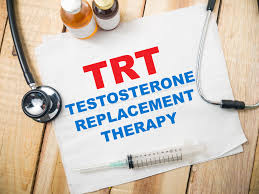
Testosterone is the main male sex hormone. It plays a key role in sex drive, muscle mass, bone strength, mood, energy levels, and overall health. As men age, testosterone levels naturally decline. For some men, low testosterone (also called low T or hypogonadism) causes symptoms that affect quality of life.
Testosterone therapy (TTh) can help—but it’s not right for everyone. Understanding the
benefits, risks, and controversies is important before starting treatment.
What Is Low Testosterone?
Low testosterone means your body isn’t producing enough of this hormone. Symptoms can include:
- Decreased sex drive
- Erectile dysfunction
- Fatigue and low energy
- Loss of muscle mass
- Increased body fat
- Mood changes (irritability, depression)
- Difficulty concentrating
- Decreased bone density
- Loss of body hair
However, these symptoms can also be caused by other conditions like sleep apnea, thyroid problems, diabetes, obesity, or depression. That’s why proper testing is essential.
How We Diagnose Low Testosterone
Diagnosis requires both symptoms and blood test confirmation. I typically check:
- Total testosterone – Best measured in the morning when levels are highest
- Biovailable testosterone – The active form of testosterone in your body
- Other hormones – Including LH, FSH, estradiol, and prolactin to understand why testosterone is low
We may need to repeat testing since testosterone levels can vary. A single low reading isn’t enough to make a diagnosis.
We also look for underlying causes. Sometimes treating conditions like obesity, sleep apnea, or diabetes can improve testosterone naturally without replacement therapy.
Who Is a Candidate for TTh?
Good candidates for TTh have:
- Confirmed low testosterone on multiple tests
- Symptoms affecting quality of life
- No medical reasons to avoid treatment
The International Society for Sexual Medicine (ISSM) recently published guidelines emphasizing that treatment should be individualized. Not every man with a low number needs treatment, and not every man with symptoms will benefit.
Ready to start your health journey?
Submit an appointment request today and take the first step towards improving your health.
Benefits of Testosterone Replacement
When properly prescribed, TTh can improve:
- Sex drive and sexual function
- Energy levels
- Mood and sense of well-being
- Muscle mass and strength
- Bone density
- Body composition (less fat, more muscle)
- Cognitive function
Many men report feeling more like themselves again. However, benefits take time—some
improvements appear within weeks, while others take several months.
Treatment Options
TTh comes in several forms:
Injections – Given weekly, every two weeks, or sometimes daily. Provides steady levels when dosed appropriately.
Topical gels or creams – Applied daily to the skin. Convenient but requires care to avoid transferring to partners or children.
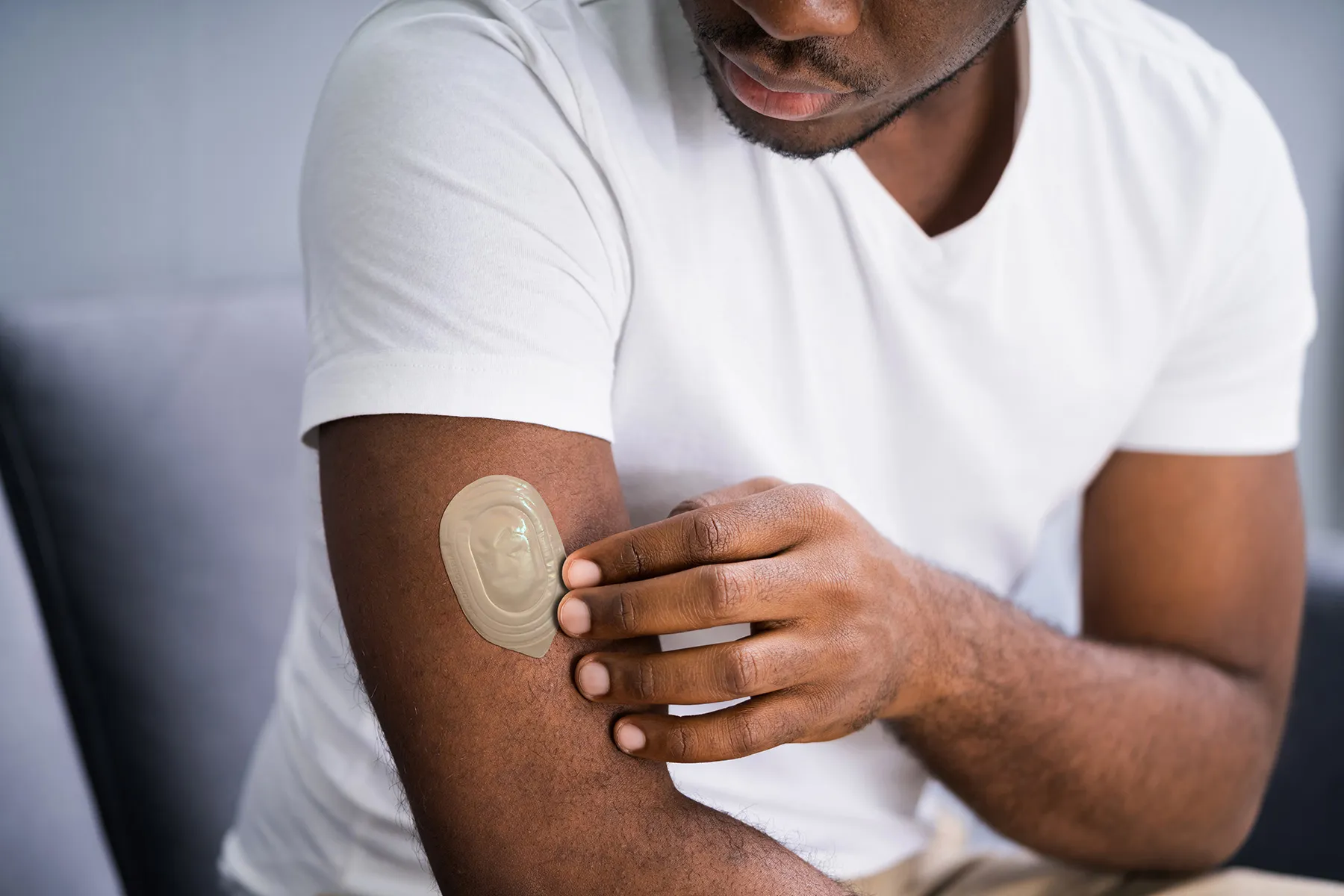
Patches – Applied daily, usually at night.
Pellets – Implanted under the skin every 3-6 months.
Oral medications – Newer oral options have been developed that avoid liver problems seen with older oral forms, though these are not currently available in Canada.
Each method has pros and cons. We’ll discuss which makes the most sense for your lifestyle and goals.
Understanding the Risks and Controversies
Like any medical treatment, TTh has potential risks and side effects. Some are well understood,
while others remain controversial.
Common Side Effects
- Acne or oily skin
- Breast enlargement
- Decreased sperm production (TTh can affect fertility)
- Sleep apnea (may worsen existing sleep apnea)
- Increased red blood cell count (requires monitoring)
- Fluid retention
- Mood swings
The Prostate Cancer Question
One of the biggest concerns men have is whether TTh increases prostate cancer risk.
What we know: Testosterone does not cause prostate cancer. Multiple studies and recent guidelines, including the ISSM position statement, confirm that TTh does not increase the risk of developing prostate cancer in men with normal prostates.
The nuance: Testosterone can fuel the growth of existing prostate cancer, which is why we screen carefully before starting treatment. Men with low-risk prostate cancer or those who have been successfully treated for prostate cancer are candidates for TTh under appropriate monitoring.
What we do: Before starting TTh, I check your PSA (prostate specific antigen) level. We continue monitoring regularly during treatment. If you have concerning prostate symptoms or a history of prostate cancer, we’ll have a detailed discussion about whether TTh is appropriate and what monitoring will look like.
The Cardiovascular Controversy
The relationship between TTh and heart health has been debated for years.
The controversy: Some older studies suggested TTh might increase the risk of heart attack or stroke. This led to warnings and concern among patients and doctors.
Current evidence: More recent, high-quality studies—including data reviewed in the ISSM guidelines—have not confirmed an increased cardiovascular risk with TTh. In fact, some research suggests that correcting low testosterone may actually benefit heart health, particularly in men with metabolic syndrome or diabetes.
The bottom line: The ISSM and other major medical organizations state that when prescribed appropriately and monitored properly, TTh does not appear to increase cardiovascular risk in most men. However, men with recent heart attacks, unstable heart disease, or uncontrolled heart failure need careful evaluation before considering TTh.
What we do: I assess your cardiovascular risk factors before starting treatment. This includes checking blood pressure, cholesterol, blood sugar, and discussing your heart health history. We monitor these factors during treatment.
Who Should Not Use TTh
TTh is not appropriate for men with:
- Active or high-risk prostate cancer
- Breast cancer
- Uncontrolled heart failure
- Recent heart attack or stroke (typically within 6 months)
- Severe untreated sleep apnea
- Elevated red blood cell count
- Plans to father children soon (TTh suppresses sperm production)
If you start TTh, regular follow-up is essential. I typically monitor:
- Testosterone levels (to ensure proper dosing)
- Red blood cell count (TTh can increase this)
- PSA and prostate health
- Liver and kidney function
- Cholesterol and metabolic markers
- Symptoms and quality of life
Is TTh Right for You?
TTh isn’t a fountain of youth or a cure-all. It’s a medical treatment for a medical condition. When used appropriately in men with true testosterone deficiency, it can significantly improve quality of life.
The decision to start TTh should be made together after discussing your symptoms, test results, medical history, and goals. We’ll weigh the potential benefits against the risks specific to your situation.
It’s also worth noting that lifestyle changes—losing weight, exercising regularly, improving sleep, managing stress, and treating underlying conditions—can sometimes improve testosterone levels naturally.
The Bottom Line
Recent evidence and expert guidelines, including the ISSM position statement, support the safe use of TTh in appropriately selected men. The cardiovascular and prostate cancer concerns that generated headlines in the past have not been borne out in more rigorous research.
However, TTh is not without risks, and it’s not right for everyone. Careful evaluation, informed
decision-making, and ongoing monitoring are key to safe and effective treatment.
Ready to Learn More?
If you’re experiencing symptoms of low testosterone, the first step is proper testing and evaluation. We’ll determine whether your symptoms are due to low testosterone, identify any underlying causes, and discuss whether treatment makes sense for you.
Questions about testosterone or symptoms you’re experiencing? Contact our office to schedule a consultation.
Risks & Safety
Potential risks include acne, fluid retention, increased red blood cell count, and changes in fertility. Close medical monitoring keeps TRT safe and effective.
Pre- and Post-Treatment Monitoring
Baseline hormone testing is required. Follow-up labs are checked every 8–12 weeks to adjust dosing.
frequently asked questions
Get answers to common questions about urology and men’s health
How long until I feel results?
Most men notice improvement within 3–6 weeks.
Is TRT lifelong?
Not always—therapy is personalized based on goals and medical status.