Why It’s Performed

Adult circumcision is a minor surgical procedure involving the removal of the foreskin of the penis. It is commonly performed for medical reasons such as phimosis (tight foreskin), recurrent balanitis or infections, painful retraction, hygiene difficulties, or sexual discomfort. It may also be performed for cultural or religious reasons or based on personal preference.
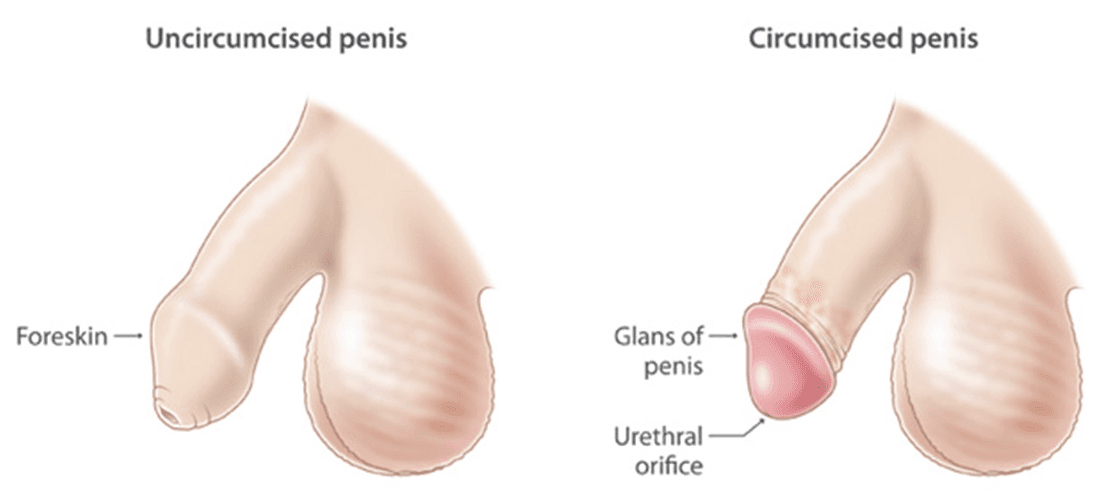

How the Procedure Works

Depending on the case, circumcision can be performed in-office under local anaesthesia or as day-surgery under regional or general anaesthesia. Common surgical techniques include the dorsal slit and sleeve excision methods. The procedure usually takes 30–60 minutes, and dissolvable sutures are typically used to secure the incision.

Risks & Safety

Complications are uncommon but may include bleeding, infection, swelling, or temporary discomfort during erections. Rare risks include cosmetic dissatisfaction or changes in sensation, which are typically minor.

Ready to start your health journey?

Submit an appointment request today and take the first step towards improving your health.

Pre- and Post-Procedure Care

Patients should avoid blood thinners before surgery if medically safe. After the procedure, daily wound care and application of antibiotic ointment are recommended. Over-the-counter pain medication is usually sufficient for discomfort. Sexual activity and masturbation should be avoided for 4–6 weeks to allow proper healing.

Recovery Timeline

Most men return to desk work within 2–3 days and full activity within 1–2 weeks. Swelling gradually settles over 10–14 days. Sutures, if not dissolvable, may be removed at 10–14 days.

frequently asked questions

Get answers to common questions about urology and men’s health

Will it change sensation?

Some men notice mild sensitivity changes, but most adapt over time with no impact on sexual function.

Most patients return to light work within a few days.