
Transurethral Resection of the Prostate (TURP)
What This Procedure Is For
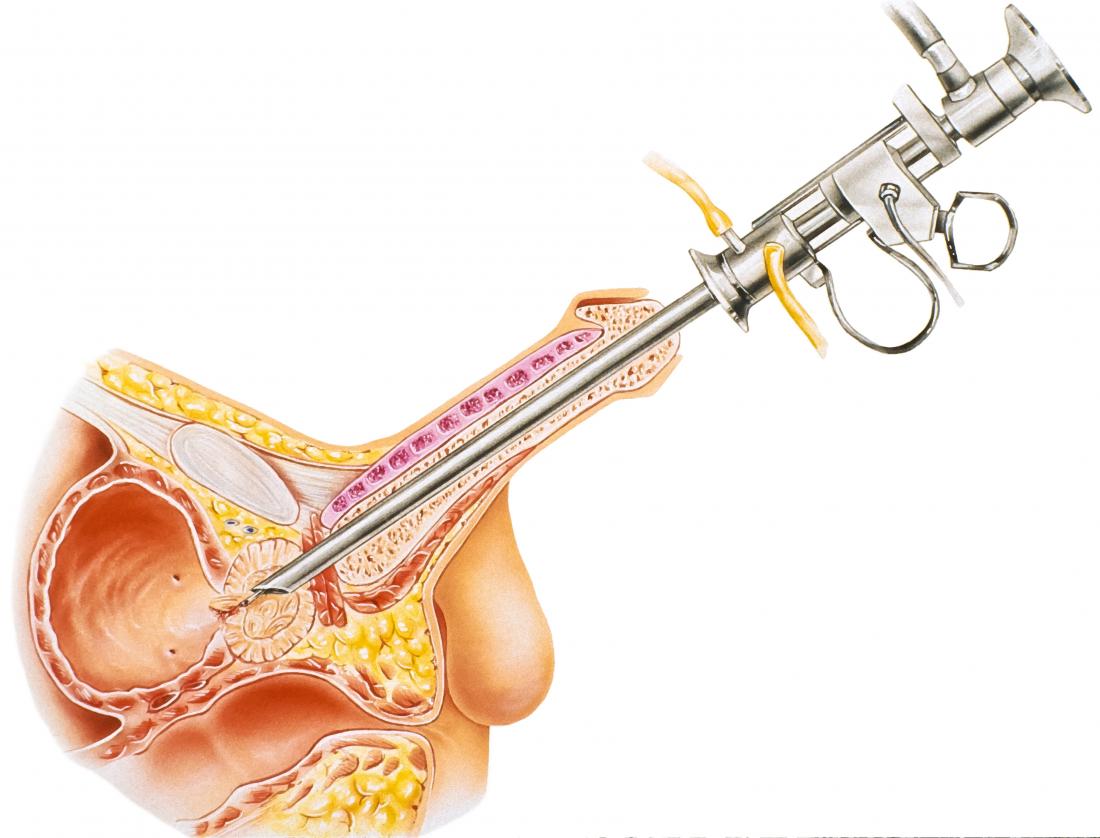
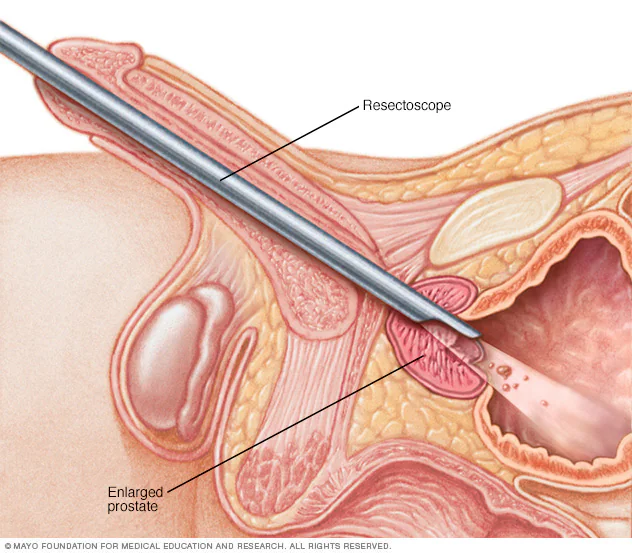
Transurethral Resection of the Prostate (TURP) is the traditional gold-standard surgery for treating benign prostatic hyperplasia (BPH). Using either monopolar or bipolar energy, excess prostate tissue is removed to relieve blockage and improve urinary flow.
Who It’s For
TURP is recommended for men with moderate to severe lower urinary tract symptoms (LUTS) who do not respond to medication, as well as those with complications from BPH, such as recurrent urinary retention, bladder stones, or repeated urinary tract infections.
How the Procedure Works
Performed in the operating room under spinal or general anesthesia, TURP involves inserting a surgical scope through the urethra to trim away obstructing prostate tissue. The procedure usually takes 60–90 minutes. Most patients stay overnight in the hospital, though some may go home the same day based on recovery.
Ready to start your health journey?
Submit an appointment request today and take the first step towards improving your health.
Pre-Procedure Preparation
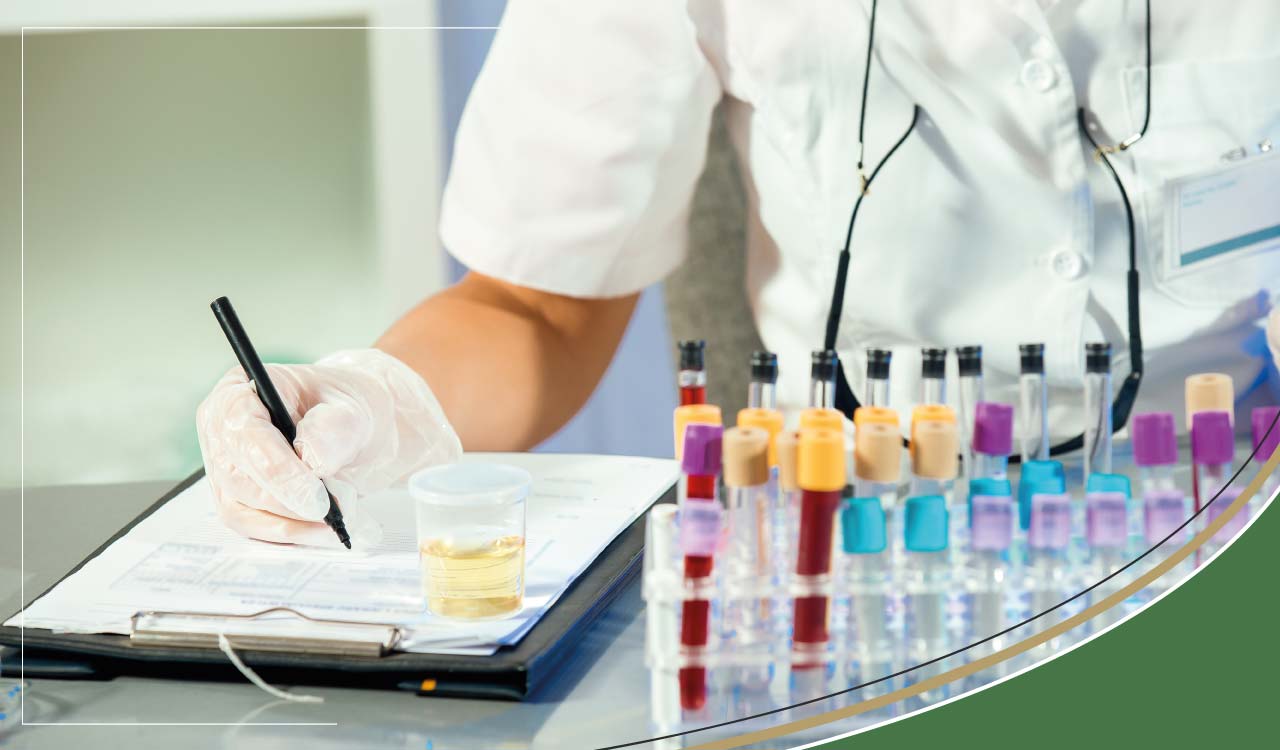
Before surgery, blood tests and urine studies are required. Anticoagulants must be managed according to medical advice, and patients must consent to a small risk of blood transfusion.
What to Expect After Surgery
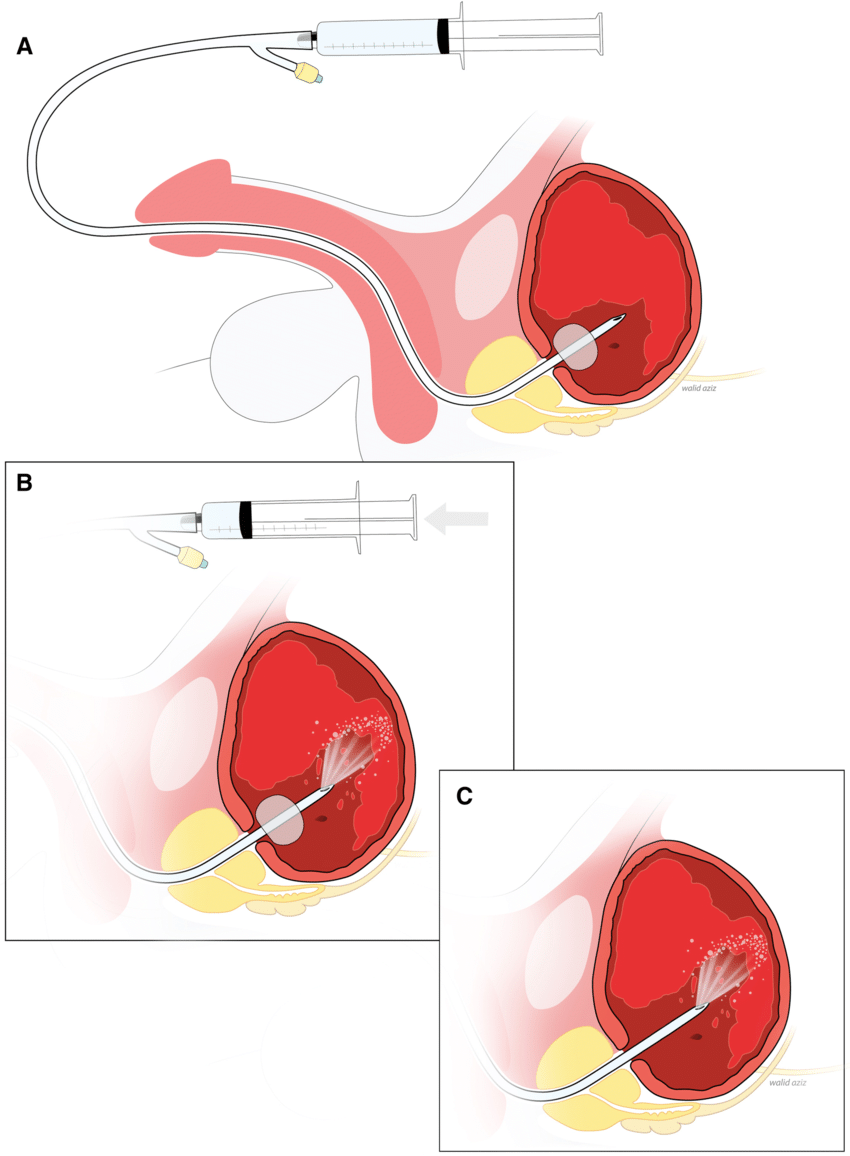
A urinary catheter is typically needed for 1–3 days, along with bladder irrigation for bleeding control. Some blood in the urine is expected for up to 1–2 weeks. Patients go home once they are able to void comfortably.
Risks & Safety
Possible risks include bleeding, urinary retention, or infection. Retrograde ejaculation is common, while erectile dysfunction and incontinence are rare.
Recovery Timeline
Most men return to light activity within 7–10 days and full activity in 3–4 weeks. Heavy lifting should be avoided temporarily.
frequently asked questions
Get answers to common questions about urology and men’s health
How does TURP compare to laser procedures?
TURP remains highly effective but may involve slightly more bleeding and recovery time.
Will sexual function be affected?
Erections are generally preserved, but retrograde ejaculation is common after TURP.